Lymphedema Treatment Market 2026: Rising Demand for Advanced Treatment Solutions
The Lymphedema Treatment Market in 2026 is witnessing steady growth due to increasing awareness of lymphatic disorders, advancements in treatment technologies, and rising cases of cancer-related lymphedema

Introduction
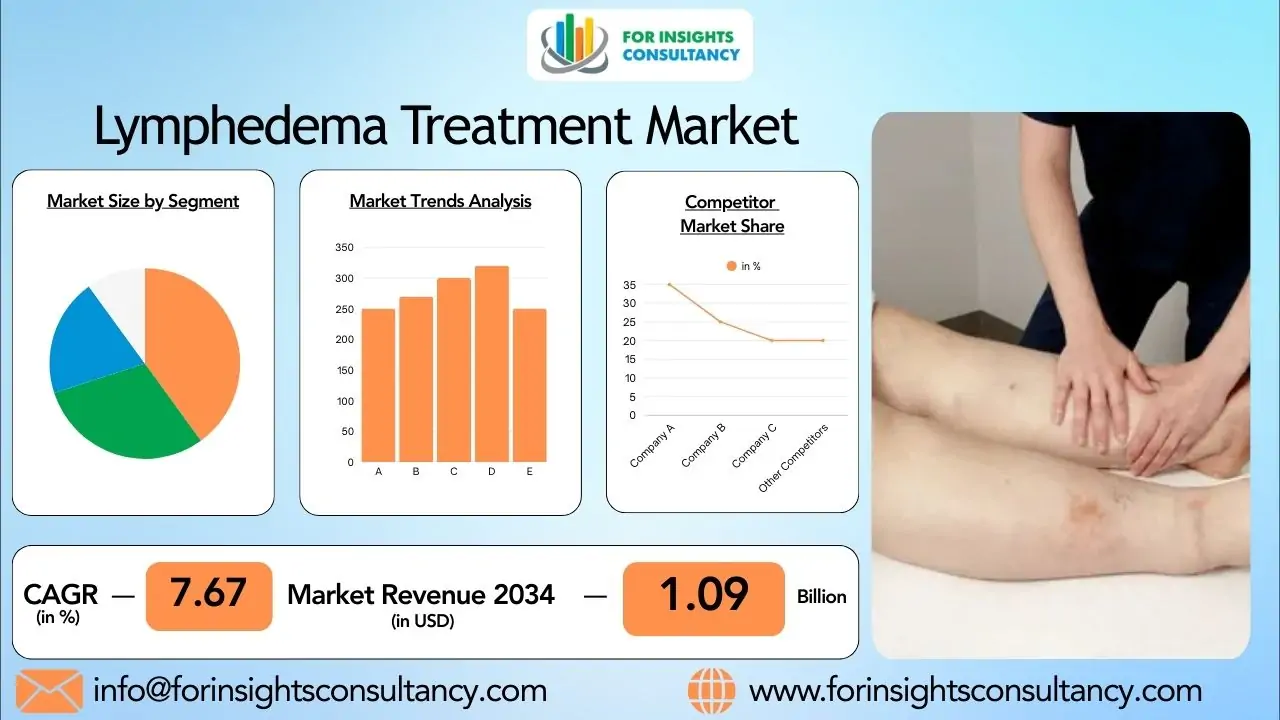
The Lymphedema Treatment Market is growing globally as healthcare systems focus more on managing chronic lymphatic conditions. Lymphedema is a medical condition characterized by swelling in body tissues due to the accumulation of lymphatic fluid, usually affecting the arms or legs.
It often occurs after cancer treatments such as surgery or radiation therapy that damage the lymphatic system. Early diagnosis and effective treatment are essential to prevent complications and improve patient mobility.
Key factors driving market growth include:
- Rising prevalence of cancer and post-surgical complications
- Increasing awareness of lymphatic disorders
- Advancements in compression therapy devices
- Expansion of specialized healthcare services
- Growing demand for non-invasive treatment solutions
With continuous medical innovation, new treatment options are emerging to improve disease management and patient comfort.
Key Drivers of the Lymphedema Treatment Market
Increasing Cancer Survivorship
A significant proportion of lymphedema cases occur after cancer treatment, particularly breast cancer surgery where lymph nodes are removed or damaged.
As cancer survival rates increase, more patients require long-term management of treatment-related complications such as lymphedema.
Rising Awareness and Early Diagnosis
Healthcare organizations and advocacy groups are raising awareness about the symptoms and treatment options for lymphedema. Early diagnosis allows patients to begin therapy sooner, reducing the severity of swelling and complications.
Improved awareness is also encouraging patients to seek specialized medical care.
Technological Advancements in Treatment Devices
New medical devices designed for lymphedema treatment are improving patient outcomes. These include:
- Advanced compression garments
- Pneumatic compression pumps
- Laser therapy systems
- Surgical treatment technologies
These innovations help reduce swelling, improve lymphatic drainage, and enhance patient comfort.
Lymphedema Treatment Market Segmentation
By Treatment Type
The market includes various treatment approaches:
- Compression Therapy
- Drug Therapy
- Surgical Treatment
- Physiotherapy
Compression therapy remains the most widely used treatment option due to its effectiveness and non-invasive nature.
By Product Type
Several medical devices are used in lymphedema management:
- Compression Garments
- Pneumatic Compression Devices
- Bandages and Tapes
- Laser Therapy Devices
Compression garments and pneumatic pumps represent a significant share of the market.
By End User
Healthcare facilities providing lymphedema treatment include:
- Hospitals
- Rehabilitation Centers
- Specialty Clinics
- Home Care Settings
Home-based care is gaining popularity as patients manage chronic conditions outside hospital settings.
Regional Analysis
North America
North America holds a major share of the Lymphedema Treatment Market due to advanced healthcare infrastructure, high awareness, and the presence of leading medical device manufacturers.
Europe
Europe is witnessing steady growth due to increasing healthcare expenditure and expanding treatment programs for chronic diseases.
Asia-Pacific
Asia-Pacific is emerging as a high-growth region due to improving healthcare access, rising cancer prevalence, and growing awareness of lymphatic disorders.
Key Companies in the Lymphedema Treatment Market
Several global healthcare companies are actively involved in the market, including:
- Tactile Medical
- 3M Company
- Essity AB
- Medi GmbH & Co. KG
- SIGVARIS Group
- Lohmann & Rauscher
- Arjo
These companies focus on product innovation, advanced compression technologies, and expanding their global distribution networks.
Emerging Trends in the Market
Growth of Home-Based Treatment
Portable compression devices and wearable therapy products are enabling patients to manage lymphedema at home.
Integration of Digital Health Technologies
Digital monitoring tools and mobile health applications are helping track treatment progress and patient adherence.
Expansion of Specialized Lymphedema Clinics
Healthcare providers are establishing dedicated clinics to offer comprehensive diagnosis, therapy, and rehabilitation services.
Challenges in the Market
Despite strong growth potential, the market faces several challenges:
- High cost of advanced treatment devices
- Limited awareness in developing regions
- Shortage of specialized healthcare professionals
However, ongoing education initiatives and healthcare investments are expected to address these issues.
Future Outlook (2026–2032)
The Lymphedema Treatment Market is expected to experience steady growth over the next decade as healthcare providers focus on improving chronic disease management.
Future growth opportunities include:
- Development of innovative compression technologies
- Expansion of minimally invasive surgical treatments
- Increasing use of digital health monitoring tools
- Growing investment in rehabilitation healthcare services
These factors are likely to drive significant expansion in the global market.